

| Servings per container | 32 |
|---|---|
| Serving size | 1 oz. (28g) |
| Calories | 100 |
| Nutrient | % Daily Value* |
| Total Fat 1g | 1% |
| Saturated Fat 0g | 0% |
| Trans Fat 0g | |
| Polyunsaturated Fat 0.5g | |
| Monounsaturated Fat 0.5g | |
| Cholesterol 0mg | 0% |
| Sodium 0mg | 0% |
| Total Carbohydrate 20g | 7% |
| Dietary Fiber 3g | 11% |
| Total Sugars 0g | |
| Includes 0g Added Sugars | 0% |
| Protein 4g | 8% |
| Vitamin D 0mcg | 0% |
| Calcium 0mg | 0% |
| Iron 0.7mg | 4% |
| Potassium 188mg | 4% |
* The % Daily Value (DV) tells you how much a nutrient in a serving of food contributes to a daily diet. 2,000 calories a day is used for general nutrition advice.
Ingredients: Whole Buckwheat Grain. For best results refrigerate after opening.
Price range: $12.99 through $34.18 — or subscribe to save 5%
Buckwheat Groats | Raw Seed
Skip or cancel anytime.
Free from the Top 14 allergens. Made on dedicated equipment. Allergen statement
Product Description
Gerbs Buckwheat Groats are the whole seeds of Fagopyrum esculentum, not related to wheat, naturally gluten-free, and guaranteed free of 14 allergens. Processed in our dedicated facility in Johnston, Rhode Island on equipment free of gluten, wheat, peanuts, tree nuts, soy, and sesame. No co-packers, no shared lines. Cook like rice for a nutty, earthy grain base, or toast first for the deeper flavor of classic kasha.
Ingredients
Buckwheat Groats.
Allergen Declaration
Free From: peanuts, tree nuts, milk, eggs, gluten/wheat, soybeans, fish, crustaceans, mollusks, sesame, mustard, celery, lupin, and sulfur dioxide/sulfites.
All raw ingredients are processed, packaged, handled, stored, and shipped by trained staff in our family owned & operated facility in Johnston, Rhode Island on dedicated kosher-certified equipment. No co-packers. No co-manufacturers. For anyone with a mild to severe food allergy or a family with one, we wish to assure you that this is why Gerbs handles all aspects of production & operation. If you have any questions about your allergy and our products, please contact us at [email protected] or (401) 231-5181 before ordering.
Flavor & Texture Profile
Raw buckwheat groats have a distinctly earthy, nutty flavor with a slight bitterness that mellows significantly during cooking. When toasted before cooking (the kasha preparation), the nuttiness deepens into a rich, roasty character that is warming and hearty. Cooked groats are tender with a slight bite, similar to a firmer oatmeal or farro, and absorb flavors well without losing their distinct earthy backbone. The flavor is assertive enough to stand up to robust ingredients like roasted mushrooms, caramelized onions, and fresh herbs, making it one of the more flavorful whole grain options available.
Storage Recommendations
Store Gerbs Buckwheat Groats in a cool, dry location in an airtight container away from light and heat. Raw buckwheat groats have a shelf life of 1-2 years when properly stored. Because buckwheat contains natural oils, storing in a cool pantry or the refrigerator extends shelf life and prevents the oils from going rancid. Cooked buckwheat keeps refrigerated for up to 5 days and frozen for up to 3 months.
Key Health Benefits of Buckwheat Groats
Rutin: A Unique Antioxidant Flavonoid
Buckwheat is one of the richest dietary sources of rutin, a flavonoid polyphenol with antioxidant properties. Rutin is not found in significant amounts in other common grain or pseudocereal foods. Research published in peer-reviewed nutrition journals has documented rutin’s role as an antioxidant and its interactions with enzymes involved in oxidative stress responses. Buckwheat’s rutin content is one of the nutritional characteristics that distinguishes it from other whole grain options, making it a unique addition to a varied whole-food diet.
Magnesium for Metabolic Function
Each ¼ cup dry serving of buckwheat groats provides approximately 51 mg of magnesium, contributing roughly 12% of the daily value. Magnesium participates in over 300 enzymatic reactions, including those responsible for protein synthesis, muscle contraction, nerve function, and energy production. It is also involved in blood glucose regulation and bone mineralization. Whole grain buckwheat is a solid everyday source of magnesium for those eating a plant-forward diet.
Plant Protein with Lysine
Buckwheat groats contain approximately 4.5 grams of plant-based protein per ¼ cup dry serving. Notably, buckwheat’s protein profile includes meaningful amounts of lysine, an essential amino acid that is often deficient in cereal grain proteins like corn, wheat, and rice. This makes buckwheat a more complete plant protein source compared to many grains. Combined with legumes or seeds across the day, buckwheat contributes to full essential amino acid coverage on a plant-based or allergen-restricted diet.
Dietary Fiber for Digestive Health
A serving of buckwheat groats provides approximately 3 grams of dietary fiber, a mix of soluble and insoluble fibers that support digestive regularity, slow carbohydrate absorption, and contribute to satiety. The insoluble fiber in buckwheat bran supports gut motility, while soluble fiber fractions may support a healthy lipid profile as part of an overall balanced diet.
Manganese for Enzyme Support
Buckwheat groats provide approximately 0.5 mg of manganese per ¼ cup dry serving, contributing roughly 22% of the daily value. Manganese is an essential trace mineral required as a cofactor for several key enzymes, including those involved in antioxidant defense (manganese superoxide dismutase), amino acid metabolism, and bone formation. It is a reliable plant-based source of manganese that integrates naturally into a whole-food diet.
As with all foods, individual results may vary. Gerbs makes no medical claims.
What Are Buckwheat Groats?
When you’re shopping for buckwheat groats with food allergies in mind, the name alone causes concern, but buckwheat is not wheat, and it is not related to wheat in any way. Buckwheat (Fagopyrum esculentum) is a seed from a plant in the knotweed family, botanically unrelated to cereal grains. Its misleading name comes from Dutch (boekweit, “beech wheat”) based purely on the appearance of the triangular seeds, which resemble beech mast. At Gerbs, we process our Raw Buckwheat Groats in a dedicated allergen-free facility in Johnston, Rhode Island, free from all 14 major allergens, no shared equipment, no co-packers. The Gerbs Guarantee means you can enjoy buckwheat’s earthy, nutty flavor without the guesswork.
Buckwheat has been a staple crop in Asia, Eastern Europe, and Russia for centuries. In Japanese cuisine, it is ground into soba noodles. In Eastern European and Russian cooking, the toasted form (kasha) is a beloved porridge and pilaf base. In France, buckwheat is used to make galettes bretonnes, savory crepes from Brittany. Across all these culinary traditions, buckwheat’s distinctive earthy, nutty flavor and satisfying heartiness have made it a beloved ingredient.
Raw buckwheat groats (the hulled seed) cook quickly compared to other whole grains, deliver a unique flavonoid called rutin with antioxidant properties, and provide complete protein for a grain seed. Whether you’re preparing a gluten-free grain bowl, a warm breakfast porridge, or a cold buckwheat salad, Gerbs Raw Buckwheat Groats give you clean, allergen-safe buckwheat with full traceability from a facility purpose-built for food-allergy households.
Buckwheat groats are the hulled seeds of Fagopyrum esculentum, a flowering plant in the family Polygonaceae, the same family as rhubarb and sorrel. Despite its name, buckwheat is not a cereal grain and is not related to wheat, barley, rye, or any grass. It is a pseudocereal: a seed used culinarily like a grain but botanically distinct from true grasses. The seeds are triangular and pale cream-colored (raw) or brown (when toasted, which is sold as kasha). Buckwheat has been cultivated for over 8,000 years, with origins traced to southeastern Asia, and has been a staple crop in Japan, China, Russia, and Eastern Europe for centuries. It is naturally gluten-free, high in plant protein, and uniquely rich in the flavonoid rutin, a polyphenol not commonly found in other grain foods.
How to Cook Buckwheat Groats
Stovetop Basic Method
Rinse Gerbs Buckwheat Groats under cold water. Combine in a saucepan with water at a ratio of 1 part buckwheat to 2 parts water with a pinch of salt. Bring to a boil over medium-high heat, then reduce to a low simmer. Cover and cook for 10-15 minutes until water is absorbed and groats are tender but still have a slight bite. Remove from heat and rest covered for 5 minutes. Fluff with a fork.
Toast Before Cooking (Kasha Method)
For deeper flavor, dry-toast buckwheat groats in a dry skillet over medium heat for 3-4 minutes, stirring constantly, until fragrant and lightly browned. Some cooks add a lightly beaten egg to the dry buckwheat before toasting, which coats each grain and prevents them from becoming mushy during cooking, this is the traditional kasha technique. After toasting, add to boiling water (1:2 ratio) and cook 10 minutes.
Instant Pot Method
Combine rinsed buckwheat and water at 1:1.5, cook on High Pressure for 3 minutes with a 5-minute natural release. Check for doneness and drain any excess liquid. Instant Pot buckwheat tends to be slightly softer, ideal for porridge preparations.
Serving Suggestions
Use cooked buckwheat groats as a base for savory bowls with roasted root vegetables, mushrooms, and fresh parsley. It is the traditional base for kasha varnishkes (buckwheat with bow-tie pasta and caramelized onions). Serve as a side grain alongside roasted chicken or baked fish. Cold cooked buckwheat makes an excellent hearty grain salad base with cucumbers, tomatoes, and lemon-herb dressing.
Meal Prep
Cook in bulk and refrigerate for up to 5 days. Freeze portioned cooked buckwheat for up to 3 months. Buckwheat holds its texture well after reheating and does not become mushy when stored properly.
WARNING: California Proposition 65
WARNING: Consuming this product can expose you to chemicals including lead and cadmium, which are known to the State of California to cause cancer and birth defects or other reproductive harm. For more information go to www.P65Warnings.ca.gov/food.
FAQ
Is buckwheat related to wheat? Is it safe for people with wheat allergies or celiac disease?
Buckwheat is not related to wheat in any way. Despite the name, buckwheat (Fagopyrum esculentum) belongs to the knotweed family, not the grass family that includes wheat, barley, and rye. It contains no gluten and is safe for people with celiac disease and wheat allergies. The name comes from Dutch and refers to the shape of the seeds, not any botanical relationship to wheat. Gerbs further processes buckwheat in a dedicated allergen-free facility with no wheat on the premises.
What is the difference between buckwheat groats and kasha?
Buckwheat groats are the raw, hulled buckwheat seeds, pale cream-colored, with a mild earthy flavor. Kasha is toasted buckwheat, the same grain, roasted until brown, with a more intense, nutty-roasty flavor. Gerbs sells raw buckwheat groats. You can make kasha at home by toasting groats in a dry skillet for 3-4 minutes until fragrant and brown before cooking.
How do I cook Gerbs Buckwheat Groats?
Use a 1:2 ratio (buckwheat:water), bring to a boil, simmer covered 10-15 minutes. For the classic kasha flavor, toast in a dry pan for 3-4 minutes first. See the full How to Cook section for Instant Pot instructions and serving ideas.
Is Gerbs Buckwheat processed in a gluten-free facility?
Yes. Our Johnston, Rhode Island facility is 100% dedicated and allergen-free. No wheat, no gluten-containing grains, no tree nuts, no peanuts, no sesame, none of the 14 major allergens, enter the facility. No co-packers. No shared equipment.
How should I store Gerbs Buckwheat Groats?
Store in an airtight container in a cool, dry place. Because buckwheat contains natural oils, cooler storage (pantry or refrigerator) extends shelf life and freshness. Shelf life is 1-2 years dry. Cooked buckwheat keeps refrigerated for 5 days or frozen for 3 months.
Can I eat buckwheat groats raw?
Raw buckwheat groats can be soaked overnight and used in raw overnight preparations like buckwheat porridge or added to smoothies after soaking to soften them. Soaking for 8 hours also reduces phytic acid content, which may improve mineral absorption. Rinse well after soaking before using. For the best flavor and digestibility, cooking is generally preferred.
Frequently Bought Together
Related products
Customer Reviews
1 review for Buckwheat Groats | Raw Seed
You must be logged in to post a review.
Shop by Category
Find Your Safe Favorites
Seeds
Dried Fruit
Snack & Trail Mixes
Granola
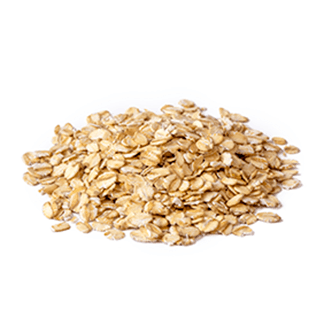
Grains
kerryteacher74 – Verified Buyer
I received a GF buckwheat bread recipe from a chef at a local retreat house. While I’ve modified it slightly, I needed a clean source for gluten free / corn free buckwheat groats, which is how I found Gerbs. I’m elated with the buckwheat and the rich, dense bread it makes. Many thanks!